Severe leg pain for almost 2 decades and no improvement despite multiple providers. Dr. Shah immediately recognized the problem. The procedure took less than 20 minutes — I feel incredibly improved.
Same-day appointments today
Saturday & evening hours
Most procedures under 30 minutes
21 NJ locations — care nearby
In-network with major insurances
Varicose & spider vein specialists
Walk in, walk out — same day
Tired, heavy, aching legs?
Relief can start this week.
Varicose veins, swelling & venous insufficiency treated in-office · same-day appointments · a real human follows up within the hour.
No obligation
Most insurances accepted
100% confidential
Got it — we'll be in touch.
A member of our team will reach out shortly to confirm your appointment.
Same-DayAppointments
21NJ Locations
4.9★Patient Rating
100%Board-Certified Physicians
Book Online
Pick your office, day & time — in about a minute.
Choose from 22 offices across North Jersey and lock in a time that fits your week. Prefer to talk it through? Call 973‑916‑0002 and we’ll book you by phone.
1Location
2Date & Time
3Your Details
Where would you like to be seen?
23 offices · tap a pin
When works best for you?
Just a few quick details
By requesting this time you agree to be contacted by Apex Heart & Vascular to confirm — by phone, text, or email. We’ll never share your info.
Thanks, friend — you’re on the books.
A member of our team will reach out within one business day to confirm your visit and answer any questions. Need us sooner? Call 973‑916‑0002.
Request · APX-000000
- Office
- Address
- Patient
As Featured On


Vein Health 101
What is venous insufficiency?
The medical name for a very common problem: leg veins that can no longer pump blood back up to the heart the way they should.
Your leg veins push blood uphill against gravity, using a chain of tiny one-way valves that snap shut between heartbeats. When those valves weaken or fail, blood flows backward and pools in the lower leg — doctors call that backward flow reflux, and the condition chronic venous insufficiency.
The pooled blood raises pressure inside the veins. That pressure is what you feel as heaviness, aching, swelling and night cramps — and what you see as bulging varicose veins, spider veins, and over time, darkening or fragile skin near the ankles.
The good news: today this is treated in the office, in about half an hour, walking in and walking out the same day — no hospital, no general anesthesia, no long recovery.
Worth knowing: spider veins can be purely cosmetic — or the surface hint of deeper reflux. A quick ultrasound is the only way to tell the difference, and it changes what treatment (and coverage) makes sense.
Symptom Check
How many of these sound like your legs?
Vein disease rarely announces itself. It builds as a pattern of small complaints that are easy to blame on age, work, or “just how my legs are.” Tap any that show up for you — even occasionally.
What you feel
What you see
Skin signals
Your pattern
0 / 10
Worth evaluatingClassic vein pattern →
Tap the symptoms above — your answers never leave this page. Even one recurring sign is worth understanding.
Private — nothing is sent or saved. Educational only: a duplex ultrasound and an exam are what confirm venous insufficiency.
Real Patients · Real Results
Before. After.
Before. After.
No filter. No edit.
These are real Apex patients — same lighting, same angle, same person. Drag each slider to see the result for yourself.
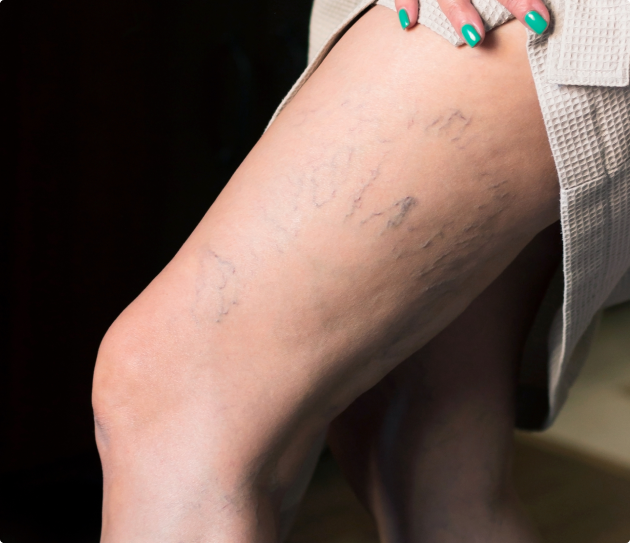
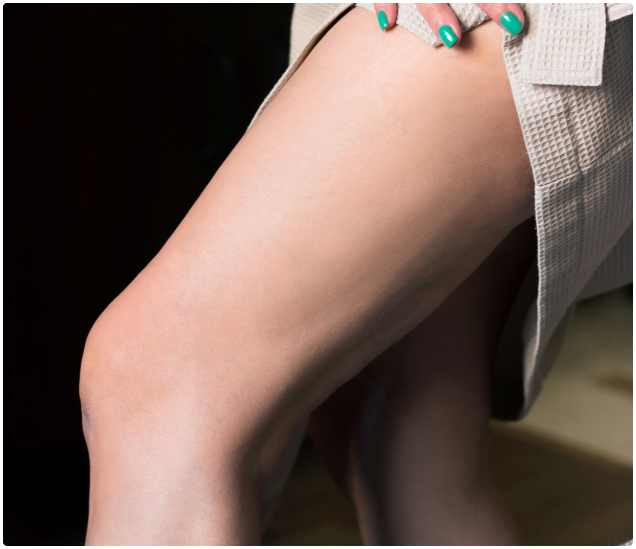
Case 1 · Spider Vein Treatment
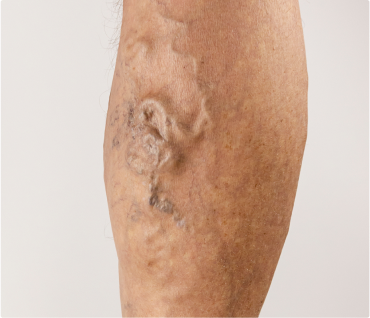
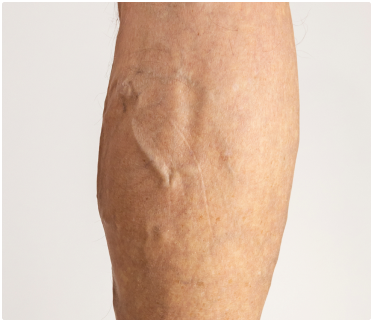
Case 2 · Varicose Vein Ablation
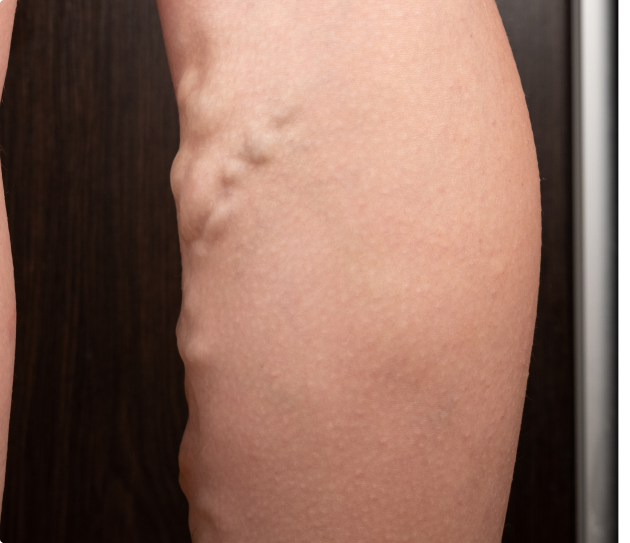
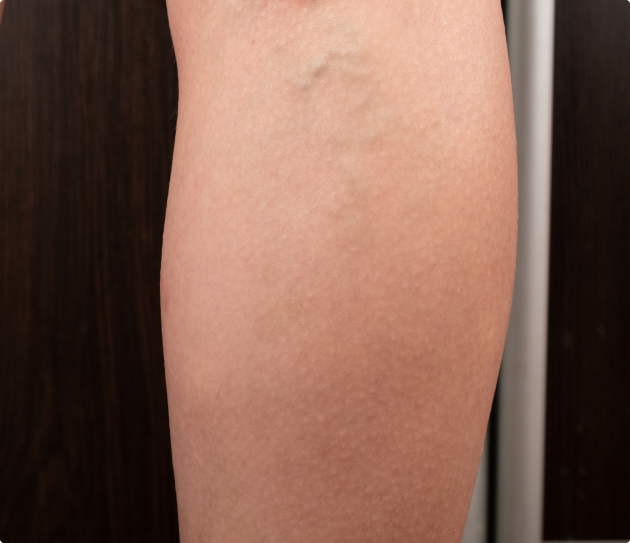
Case 3 · Sclerotherapy Treatment
20 min
Avg Procedure Time
0
Hospital Stay
Same day
Walking Immediately
Always Open. Always Nearby.
0
Days a week.
Always open for you.
Care doesn't keep business hours — and neither do we. Apex sees patients six days a week, with same‑day appointments, Saturday hours, and evening slots across 21 offices in Passaic, Essex, Hudson, and Union Counties.
Care that fits your life — not the other way around.
Most cardiovascular practices are open Monday to Friday, 9 to 5. We're open six days a week, including Saturday hours and evenings, at offices closer to your home than your supermarket. No long drives. No taking off work. No waiting weeks for an opening.
- Open 6 days a week — including Saturdays and evenings
- 21 offices across 4 New Jersey counties
- Same-day appointments & telehealth available
Left Alone, Veins Progress
Earlier is easier.
Venous disease moves at its own pace — some people stay at stage one for decades, others don’t. Tap a stage to see what it means and how it’s treated.
The 30-Minute Answer
One painless ultrasound tells us everything.
Before anyone talks treatment, we map exactly which valves leak and which veins are healthy — so the plan fits you, not a template.
~30 min
In-office scan
0
Needles · radiation · prep
Same visit
Results discussed
A duplex ultrasound is the gold-standard vein test: a technician glides a probe over your leg while you watch the blood flow live on screen. It shows which valves close properly and which let blood leak backward — painlessly, in about half an hour. You’ll leave knowing exactly what’s going on, and the scan doubles as the documentation your insurance needs to approve treatment.
Modern Vein Care
Fixed in the office — walk out the same day.
No stripping, no hospital, no general anesthesia. Which approach fits depends on your ultrasound — explore each one, or compare them side by side.
Usually step one
Conservative care
Gradient compression stockings, leg elevation, walking, and weight management. It eases symptoms and slows progression — but it can’t close a leaking vein.
Many insurance plans ask for a documented trial (often 6–12 weeks) before approving a procedure. We prescribe it properly and handle that paperwork from day one, so the clock starts on your first visit.
Start with an evaluation- Best for
- Every patient at first — and anyone not ready for a procedure
- What it involves
- Fitted stockings, elevation habits, movement plan
- Downtime
- None — it’s part of daily life
- Good to know
- Often the coverage prerequisite — we document everything
Gold standard for reflux
Vein ablation — radiofrequency or laser
The definitive fix for a leaking saphenous vein. After numbing the skin, a thin catheter slides into the faulty vein and gently heats it closed from the inside. Blood instantly reroutes through your healthy veins — circulation improves, pressure drops.
The visit takes about 30–45 minutes and you walk out on your own two feet; most people are back to their routine by the next day.
Book an ablation consult- Best for
- Saphenous reflux — the root cause behind most varicose veins
- Anesthesia
- Local only; you’re awake and comfortable
- Visit time
- ~30–45 minutes, in-office
- Downtime
- Walk immediately; routine next day; compression ~1–2 weeks
No heat · minimal needles
Varithena® microfoam
An FDA-approved polidocanol microfoam injected under ultrasound guidance. The foam displaces blood inside the diseased vein and seals it shut — no heat, no catheter down the whole vein, and almost no anesthesia.
Because foam flows, it can treat twisting, branching veins that a straight catheter can’t reach. About 30 minutes, walk out the same day; brief bruising or tenderness is common and passes.
Ask about Varithena- Best for
- Tortuous or branching varicose veins; patients avoiding thermal treatment
- Anesthesia
- Little to none — a few small injections
- Visit time
- ~30 minutes, in-office
- Downtime
- Light activity right away
The finishing touch
Sclerotherapy
Tiny injections of a medicated solution irritate the lining of spider veins and small varicose branches, so they collapse and fade over the following weeks. Needles are hair-thin; sessions take 15–30 minutes, and stubborn clusters often need a short series.
It’s the polish after any deeper reflux is fixed — treating only the surface veins while a leak persists underneath tends not to last. Cosmetic-only treatment usually isn’t covered; we’ll tell you upfront which side of that line you’re on.
Book a sclerotherapy consult- Best for
- Spider veins and small surface branches
- Anesthesia
- None needed — needles are hair-thin
- Visit time
- ~15–30 minutes per session
- Downtime
- None; compression and walking encouraged after
| Vein ablation (RF / laser) | Varithena® microfoam | Sclerotherapy | |
|---|---|---|---|
| Best for | Straight saphenous reflux | Twisting, branching varicose veins | Spider & small surface veins |
| How it closes the vein | Gentle heat via thin catheter | Medicated microfoam | Medicated liquid injections |
| Anesthesia | Local numbing | Little to none | None |
| Visit time | ~30–45 min | ~30 min | ~15–30 min |
| Back to routine | Typically next day | Same day, light activity | Immediately |
| Sessions | Usually one per vein | Often one; sometimes two | Commonly a short series |
A typical journey: ultrasound mapping → insurance authorization (we handle it) → close the leaking vein with ablation or Varithena → polish visible branches with sclerotherapy → a follow-up scan to confirm the vein stayed closed.
Don’t wait on these: a varicose vein that bleeds, an ankle sore that won’t heal, or sudden swelling, pain or warmth in one leg deserve a same-day call — 973‑916‑0002. Sudden leg swelling with chest pain or shortness of breath is an emergency: call 911.
Vein Treatment FAQ
Questions patients actually ask.
Straight answers about venous insufficiency, ablation, Varithena and sclerotherapy. Your own plan always starts with an ultrasound and a conversation.
Do vein procedures hurt?
Most patients are surprised how little. Ablation uses local numbing along the vein — you feel small pinches, then pressure at most. Varithena and sclerotherapy use hair-thin needles with brief stings. Soreness afterward is usually mild and short-lived, more “worked-out muscle” than “surgery.”
Am I put to sleep for this?
No. Everything we do for veins is performed awake, in the office, with local anesthesia at most. You can talk to us the whole time, and you drive yourself home from most visits unless we tell you otherwise beforehand.
How long does treatment take?
The ultrasound takes about 30 minutes. Ablation visits run about 30–45 minutes; Varithena about 30; sclerotherapy 15–30. You walk in and walk out the same day — there’s no hospital stay for any of it.
What’s the recovery and downtime?
Walking starts immediately — it’s actually part of the treatment. Most people return to work and normal life the same or next day. We ask you to hold off on heavy lifting and long hot baths briefly, and to wear compression stockings for a week or two after most procedures.
Doesn’t my body need that vein?
Not a diseased one. The veins we close are already failing — blood is falling backward through them. Once sealed, flow instantly reroutes into the many healthy deep veins, which handle the job better. Circulation typically improves, not worsens.
Will the veins come back?
A properly closed vein stays closed — the body gradually absorbs it. What can happen over years is that other valves weaken, since the underlying tendency is often inherited. Periodic check-ups catch new reflux early, when it’s simplest to fix.
What’s the difference between spider veins and varicose veins?
Spider veins are fine surface webs; varicose veins are larger, ropy vessels that bulge. Spider veins can be purely cosmetic, but either can signal deeper valve failure. That’s why we scan first — treating the surface while a leak persists underneath rarely lasts.
What happens if I just wait?
Sometimes little; often a slow march — more aching and swelling, then skin damage, and in some people ulcers or surface clots. There’s no way to predict your pace, but every stage is easier to treat than the one after it. An ultrasound tells you what you’re actually dealing with.
Is this covered by insurance? Medicare?
Usually yes, when it’s medically necessary: documented symptoms plus reflux on ultrasound. Most plans, including Medicare, cover ablation and often Varithena after a short trial of compression stockings. Cosmetic-only spider vein treatment typically isn’t covered — we’ll always tell you which side of that line you’re on before anything is scheduled.
How many sessions will I need?
Ablation is usually a single session per leaking vein. Varithena is often one, sometimes two. Sclerotherapy for spider veins commonly takes a short series spaced weeks apart. After your scan we’ll map the whole plan — visits, order, and timeline — before you commit.
I’m pregnant and my veins are getting worse. What now?
Very common — pregnancy hormones and pressure dilate veins. We generally support you with fitted compression during pregnancy and re-evaluate a few months after delivery, since many veins improve on their own. Persistent ones can then be treated definitively.
What are the risks and side effects?
The common ones are minor: bruising, tenderness, tightness along the treated vein, and temporary skin discoloration. Serious problems like deep vein clots are rare with modern techniques and ultrasound guidance. We review your specific risks beforehand, and you’ll have a direct line to us afterward.
How soon will my legs feel better?
Many patients notice lighter, less achy legs within days of closing a refluxing vein; swelling and skin changes improve over weeks to months. Visible spider veins fade gradually after sclerotherapy. Individual results vary — we’ll set honest expectations from your scan.
Do I need a referral to be seen?
Most plans let you book directly with us — no referral needed. If yours does require one, we’ll flag it when we verify your benefits and help you get it sorted before your visit.
No matching questions — call us and a human will answer yours directly.
This page is educational and isn’t a substitute for medical advice, diagnosis, or treatment. Your plan comes from your ultrasound findings and a conversation with our board-certified specialists.
What We Do
Three specialties,
Three specialties,
one trusted team.
Most patients walk in with more than one problem. We treat them all under one roof — with the same trusted team, on your schedule, in‑network.

01
Cardiac · Heart Care
Cardiac Care
Chest pain, palpitations, shortness of breath — diagnosed and treated by board-certified cardiologists. No hospital required.
- Echocardiograms
- Stress Testing
- Angioplasty & Stenting
- Pacemaker

02
Vascular · Vein Care
Vascular Care
Stop hiding your legs. End the aching, swelling, and bulging veins — in‑office, in under an hour.
- Varicose Veins
- Radiofrequency Ablation
- Laser Ablation
- Sclerotherapy

03
Knee · Joint Care
Knee Pain
Skip the knife. Skip the opioids. Walk pain‑free again with the breakthrough non‑surgical knee treatment.
- Genicular Artery Embolization
- Outpatient · 1 Hr
- No Opioids
- Walk in Days
Insurances Accepted
Your plan? We probably take it.
Aetna, Blue Cross, Cigna, United, Medicare, Medicaid — and dozens more. Call 973·916·0002 to confirm yours. Medically necessary vein treatment is often covered — we verify your benefits before you commit to anything.


Talk to a Real Human
Have a question? Get a callback in minutes.
Drop your name and number — a member of our team will reach out shortly to answer questions or schedule your visit. No bots, no menus, no waiting on hold.
Or pick your own day & time online
Got it — we'll call you shortly.

Dr. Anuj Shah, MD
Founder · Interventional Cardiology


Meet the Specialists
The team patients refer family to.
Every Apex provider is board-certified and trained at top U.S. institutions. Led by Dr. Anuj Shah, MD — with a full team of interventional cardiologists, vascular specialists, and surgical providers all under one roof.
12+
Board-Certified
Providers
7
Specialties
Under One Roof
5+
Languages
Spoken
"Coming here is like dealing with trusted family. Would not consider changing doctors." Patricia Cucci · Verified Patient
Accreditations & Recognition
Apex providers are accredited by the nation's leading medical bodies and recognized by top patient-rating organizations.

AAASF Accredited
Ambulatory Surgical Facility

IAC Accredited
Intersocietal Accreditation Commission

NJ Top Docs
Featured Specialists

Vitals Top Doctor
Patient-Rated Excellence
Testimonials
What patients actually say.
Significant heart blockages in 2 arteries — Dr. Shah opened them up in under an hour via my wrist and protected me from a complex heart surgery. Feeling better than ever before.
By far my favorite doctor. Listened carefully to everything I said, staff was friendly, and the wait was less time than it takes to brush my teeth. Will be referring.
Coming here is like dealing with trusted family. Would not consider changing doctors. The whole team treats you like a person, not a chart number.
My legs feel 20 years younger. I was skeptical at first but the team explained everything. Procedure was painless and I was back to my walks the next day.
Was told I needed knee replacement. Apex offered a non-surgical option — walking normally in 3 days. Wish I'd come here first.
My mother was facing amputation. Dr. Shah saved her leg. No words can describe what this team means to our family. Forever grateful.
Saturday hours are a lifesaver. I work all week and finally found a cardiology practice that actually accommodates patients. Highly recommend.
Bilingual staff at the Union City office made my mother feel comfortable in Spanish. Professional, kind, and effective. Family business through and through.
Coverage
Care close to home, covered by your plan.
21 New Jersey locations, in-network with major insurances, and telehealth available everywhere. Click any pin or location to see details.
NJ Locations
21 Offices
Don't wait — book today
Same-day appointments available
Saturday & evening hours
21 NJ locations near you
Telehealth visits welcome
Bilingual staff — we'll listen
Your legs work all day.
Let’s return the favor.
Book in under 60 seconds. Same-day appointments, telehealth, Saturday and evening hours available. Most insurances accepted.
30-min procedures, in-office
7 board certifications
4.9★ patient rated
Got it — we'll be in touch.
A member of our team will reach out shortly to confirm your appointment.